Pregnancy often brings a flood of advice from family, friends and social media. Most of it is kindly meant, some of it contradicts itself, and it is not always easy to find your way through. The good news is that eating well during pregnancy rests on a few simple principles. They do not call for a complicated diet, just a little attention and some planning.
Eating for two: an idea to set aside
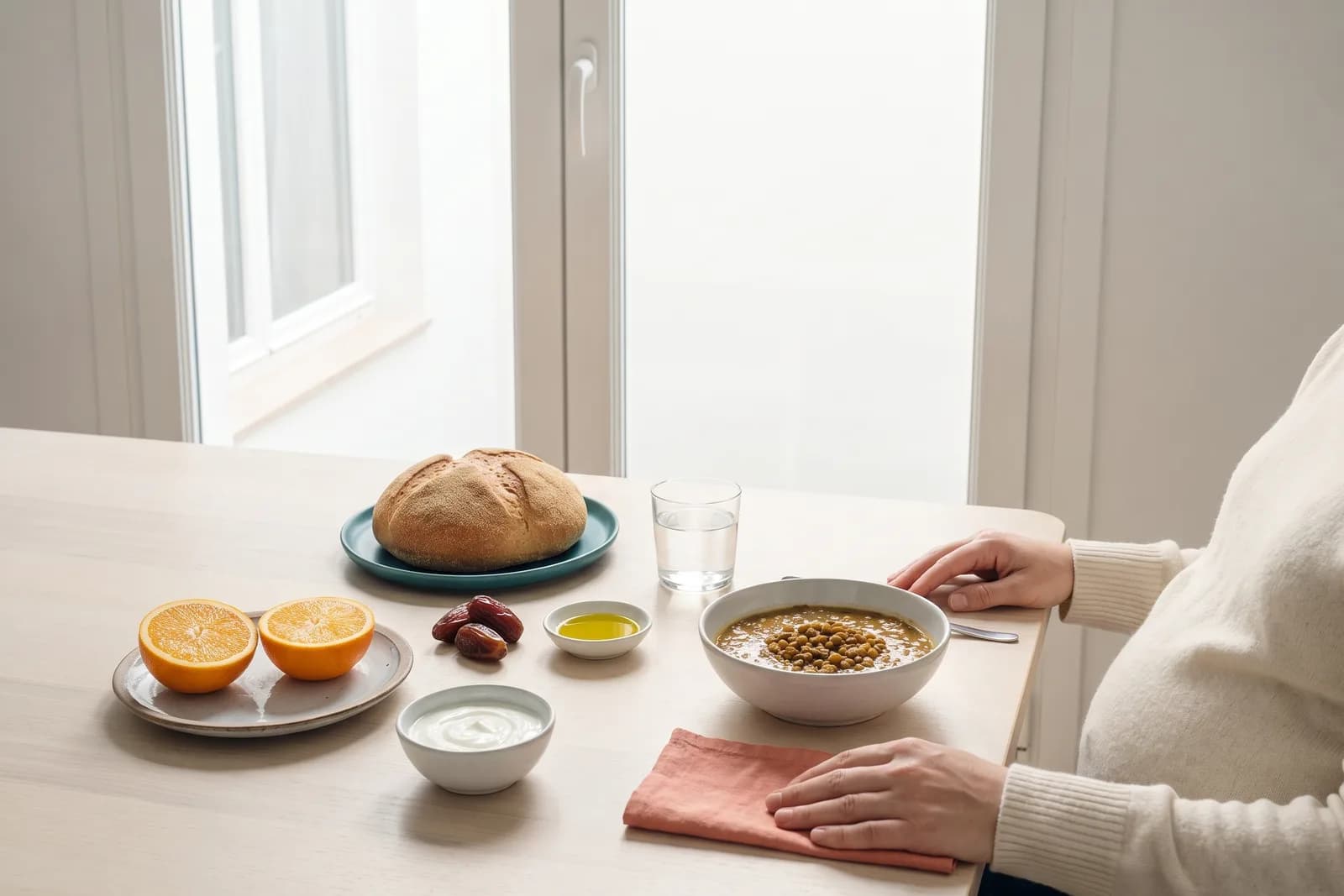
Your needs do rise during pregnancy, but far less than people often think, and hardly at all in the first weeks. Doubling portions does nothing for the baby and can lead to weight gain that is hard to carry. What matters is quality: a variety of vegetables and fruit, wholegrain cereals and bread where possible, pulses such as lentils and chickpeas, pasteurised dairy products, fish, and eggs and meat that are thoroughly cooked.
Regular meals help too: three meals and one or two snacks, rather than long stretches without food followed by a large meal. This keeps hunger pangs, nausea and dips in energy in check.
Food safety, to avoid two infections
Two infections passed on through food deserve particular care during pregnancy. Toxoplasmosis is caused by a parasite that can be found in undercooked meat and on fruit and vegetables soiled with earth. It is often mild in adults, but it can affect the baby if it is caught during pregnancy; a blood test early in pregnancy shows whether you are already protected. Listeriosis is caused by a bacterium that can grow in some raw-milk products and in food kept for a long time in the fridge. It is rare, but it is best avoided.
A few simple habits go a long way towards reducing these risks:
- Cook meat thoroughly, until it is no longer pink in the middle, including minced meat and kebabs.
- Cook eggs until the yolk is firm, and avoid dishes made with raw eggs.
- Wash fruit, vegetables and fresh herbs carefully, especially those eaten raw.
- Avoid raw milk and raw-milk cheeses, and choose pasteurised products instead.
- Wash your hands before cooking, and after touching raw meat or soil.
- Keep the fridge clean, and eat leftovers soon, well reheated.
Staying hydrated, especially in the heat
An Algerian summer is hard on the body, and harder still during pregnancy. Drinking water regularly throughout the day, without waiting until you feel thirsty, helps prevent tiredness, headaches and constipation. Soups and water-rich fruit such as watermelon and melon help as well. It is wise to stay somewhere cool during the hottest hours and to keep a bottle of water within reach.
Coffee and tea are not forbidden, but they are best taken in moderation. Your doctor or midwife can tell you what is reasonable in your case.
Nausea, heartburn and other small discomforts
Nausea in the first trimester is common and usually eases afterwards. Smaller, more frequent meals, eating a little as soon as you wake, and avoiding strong smells and very fatty dishes often bring relief. Later on, the growing womb can cause heartburn: a lighter evening meal, not lying down straight after eating and raising the head of the bed slightly often help.
If nausea stops you eating or drinking, mention it to your doctor without delay.
Supplements, weight and Ramadan: talk them through with your doctor
Folic acid and other supplements play a useful part in pregnancy, and sometimes before it. They are discussed and prescribed by your doctor, who takes your test results and your circumstances into account. It is better not to start or stop a supplement on your own initiative.
Your weight gain is followed at each appointment by your midwife or doctor. Every pregnancy is different, and there is no ideal figure that suits everyone. There is no need to weigh yourself every day or to compare yourself with others.
If Ramadan falls during your pregnancy, talk to your obstetrician well before the month begins. Depending on the trimester and your health, they will help you reach an informed decision that sits comfortably with your beliefs.
Family advice, received kindly
Mothers, aunts and mothers-in-law pass on valuable knowledge, comforting recipes and a great deal of affection. It is entirely possible to honour these traditions while following medical advice. If you are unsure about a food, a herbal infusion or a habit, the simplest thing is to ask at your appointment. At Clinique Sakina, pregnancy follow-up appointments and birth preparation classes are also a time to raise these questions with confidence.
Remember
This article offers general information and does not replace a consultation. Every pregnancy is unique: if you have any question about what you eat, talk to your doctor or midwife.
General information: it does not replace your doctor’s advice.