Delivering during Ramadan: hours, iftar and time slots
The holy month moves orders to the evening and shortens the delivery day. Here is how to organise your shipments so customers get their parcels on time, without your couriers racing the clock before iftar.
Published 14 October 2026
A month when everything shifts
During Ramadan your customers stop ordering at the usual hours. Messages come in late at night, after the meal and prayers, and the baskets change: clothes for Eid, kitchenware, perfume, gift boxes, things for the home. Many sellers see orders climb from the second week.
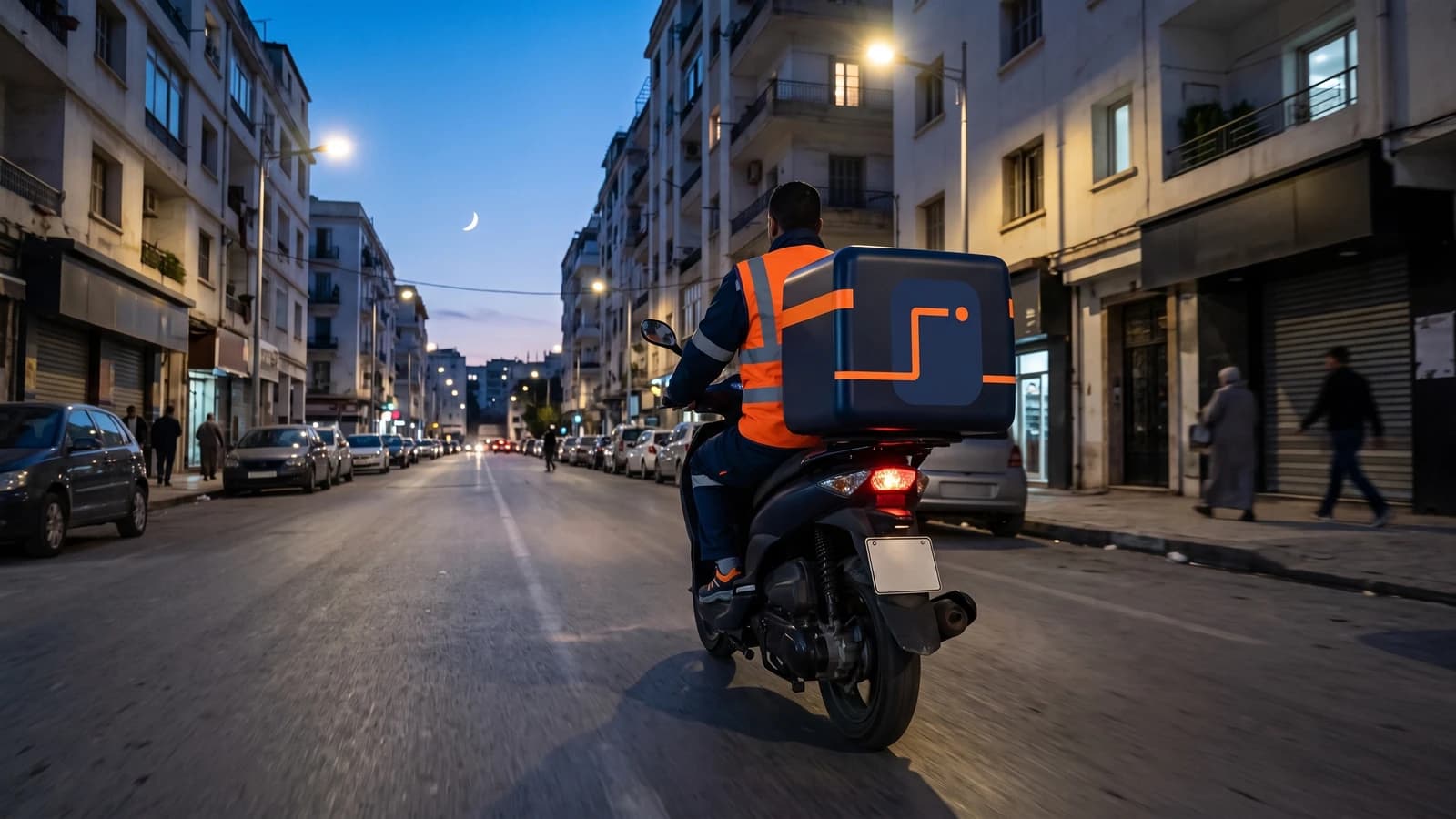
On the delivery side, the useful day gets shorter. People are home earlier, traffic tightens in the late afternoon and, as iftar approaches, nobody comes down to open the door. A routine that works the rest of the year loses deliveries this month unless it adapts.
The network’s hours during the month
Our agencies and stop-desks switch to Ramadan hours: 09:30 – 16:00 then 21:30 – 23:30 Saturday to Wednesday, and 09:30 – 14:00 on Thursday. The afternoon closure leaves time to get home before iftar; the evening reopening serves customers who would rather come by after prayers.
Home deliveries stop for a 2 h window around iftar, worked out every day from the sunset time in the wilaya. No run is planned inside that window: the courier app removes it by itself. The hubs keep sorting through the night, and the lines between regions run as usual.
Picking the right time slots
Morning becomes the safest time for home delivery, especially for customers who work. If you offer buyers a slot, lead with the morning and early afternoon, and avoid promising delivery « just before iftar »: that is exactly when the courier has to stop.
The stop-desk is a great ally this month. A customer who goes out in the evening to shop can collect the parcel at the agency when it reopens, without waiting for the courier. Say so clearly in your confirmation message: many people do not know it exists.
- Home: morning and early afternoon.
- Stop-desk: afternoon or evening, after prayers.
- Never a promise in the hour before iftar.
Getting ready the night before
Since your orders come in at night, pack them that same night: box, label, amount to collect checked. A parcel ready before the morning pick-up leaves the same day; a parcel picked up after 14:00 only starts its lead time on the next working day.
Print your labels as one batch from the seller space and book a morning pick-up. If you live near an agency, you can also drop your parcels as it opens: that is often faster than waiting for a late-afternoon call.
Telling your customers
A customer who knows is a customer who answers the phone. In your confirmation message, give the expected delivery window, mention that couriers do not call around iftar and offer the stop-desk. Ask for a number that answers during the day, not only in the evening.
The tracking link your customer receives lets them move delivery to another day, or switch to the agency if they know they will be out. During Ramadan, that one tap saves a lot of failed attempts and needless returns.
Products that need more care
Pastries, dates and food sell well this month, but the parcel network is not a cold chain. For sensitive food, use sealed packaging, rigid boxes and same-city delivery (12–24 h), and keep long-distance shipments for dry goods.
Dishes and glassware bought for the home travel a lot in this period. Consider the fragile option, which sends the parcel through separate handling at the hub, and pack it properly: our packing guide sets out the method.
Absences and returns this month
During Ramadan, absences cluster in the late afternoon, when the customer is out shopping or resting. A failed attempt is not lost: the courier comes back on the next working day, and the customer can pick another day or the stop-desk from their link. Only after 3 attempts does the parcel come back to you.
A short, polite message on the evening of a failed attempt often saves the next day’s delivery. Keep the payout rhythm in mind too, on Sunday and Wednesday: in a month when you restock often, knowing when collected cash comes back helps you order stock in time.
Planning for the last week
The last ten days of the month lead into the Eid peak, with volumes on the network up ×1.6. Lead times hold, but pick-up slots fill quickly. Book your pick-ups several days ahead and give your customers an order cut-off date for delivery before the holiday.
A clear cut-off beats a promise you cannot keep: a customer who gets their outfit the day after Eid will not order from you again. Work it out from the lead time of the furthest wilaya you serve, and announce it from mid-month.
Read next

The Eid peak: ten days to prepare for sharply higher volumes
Before each Eid the network handles far more parcels in ten days than usual. The sellers who come through best decided everything three weeks ahead: stock, order cut-off, pick-ups and the message to customers.
Packing a parcel that arrives whole
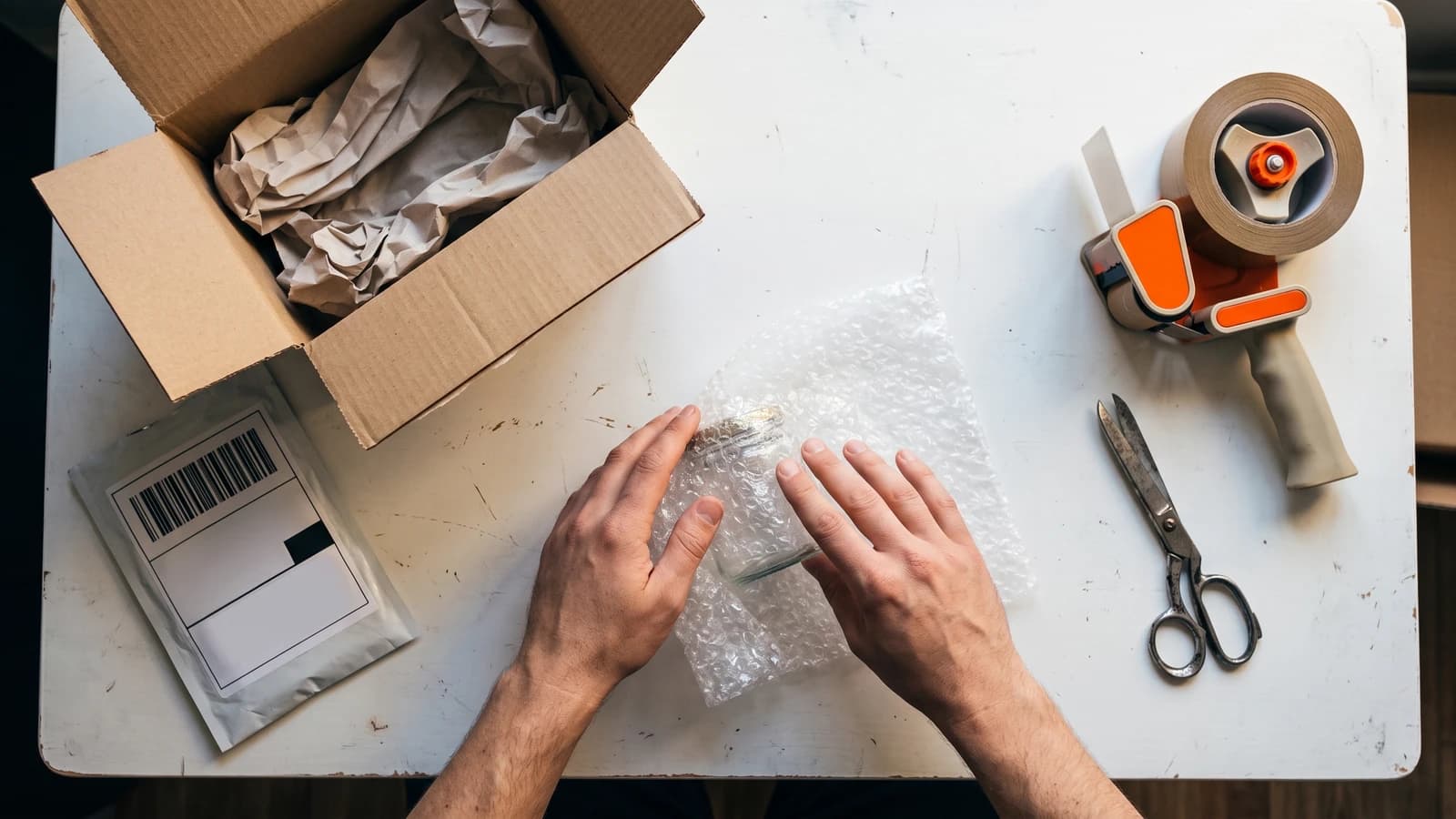
Between your table and your customer’s door, a parcel is lifted, set down, sorted, stacked and shaken about ten times. Here is how to pack it so it arrives the way it left, without paying more than you need to.