The Eid peak: ten days to prepare for sharply higher volumes
Before each Eid the network handles far more parcels in ten days than usual. The sellers who come through best decided everything three weeks ahead: stock, order cut-off, pick-ups and the message to customers.
Published 30 September 2026Updated 15 October 2026

What the peak means
In the 10 days before each Eid, volumes on the network rise ×1.6. Before Eid el-Fitr it is mostly children’s clothes, shoes, perfume and gift boxes; before Eid el-Adha, kitchenware, tools, outfits and small appliances. The two fortnights look alike: everybody wants delivery before the holiday.
On our side, hubs add shifts, lines between regions leave fuller and the control tower spreads the runs so promised lead times hold. But a network can only deliver on time a parcel it was handed on time. That is where it all happens for you.
A countdown calendar
Start from the date of the holiday and work back. Three weeks before, your stock should be in, counted and put away. Two weeks before, announce your order cut-off. Ten days before, the peak begins: from then on you only pack, label and hand over parcels.
The cut-off depends on the destination. Take the zone’s lead time and add a day or two for confirmation and pick-up. In the North the lead time is 24–48 h; to the High Plateaux, 2–3 days; to the South, 3–4 days; and to the far South, 4–6 days. The Eid holidays themselves do not count.
- D-21: stock received, counted and put away.
- D-14: cut-off date announced to customers, by zone.
- D-10: the peak starts; pick-ups booked every day.
- D-3: last shipments to the North.
Preparing stock and parcels ahead
During the peak, the time you are shortest of is your own. Get ready whatever can be: boxes in the right sizes, void fill, bags, labels for your best sellers. If you sell outfits in several sizes, sort them by size and colour so you never search.
If your volumes outgrow what you can pack at home, warehousing takes over: your stock sits with us, and each order is picked, packed and handed to the network the same day, without passing through your living room. That is set up in advance, not the night before the peak.
Booking pick-ups
Pick-up slots fill quickly during those ten days. Book them several days ahead, one per working day, even if you do not yet know how many parcels you will have: a pick-up can be adjusted, a lost slot cannot be found again. After 14:00, a parcel picked up only leaves on the next working day.
If an agency is nearby, dropping off is still the safest option at peak times: you hand your parcels over yourself, they are scanned in front of you and leave with the hub’s next departure.
Confirming, even more than usual
The peak is also impulse-buying season: an outfit ordered on a whim at night, then another found elsewhere the next day. Refusals go up. Confirming every order before shipping saves you tying up a parcel during the busiest days of the year, then paying for its return.
For clothes and shoes, two options limit disappointment: open before paying, which lets the customer check the size, and exchange, at 300 DZD, where the courier takes back the item being replaced. Mention both on your page: a reassured customer orders more readily.
Your message to customers
One clear message, sent at confirmation: the expected delivery date, the cut-off for delivery before the holiday, and a reminder that the courier will call before coming. Add the stop-desk option for those who work until the last day.
Avoid vague promises. « Delivered before Eid » means nothing to a customer in Tamanrasset if the order comes in two days before the holiday. Better a date per zone, even if it means politely turning down an order that is too late.
The last days before the holiday
The last three days bring the last-minute orders, often within the same city. For those, the express option halves the lead time within a city, within a wilaya and between northern wilayas. It costs extra, but a customer who gets the order on the eve of Eid remembers it.
For everything else, have the courage to say no. An honest message, « we can no longer guarantee delivery before the holiday in your wilaya », beats a parcel refused the next day. Offer delivery right after the holidays instead, or collection at the stop-desk as soon as it reopens.
After the holiday
The two days of Eid are public holidays: no delivery, no pick-up, and lead times resume on the next working day. Parcels not delivered before the holiday go back out as soon as work resumes, and returns arrive the following week.
As for money, the amounts collected during the peak are paid out on Sunday and Wednesday, once reconciled at the hub. Keep an eye on your statement: it is the right moment to see which wilayas responded best, and to plan the next peak.
Read next
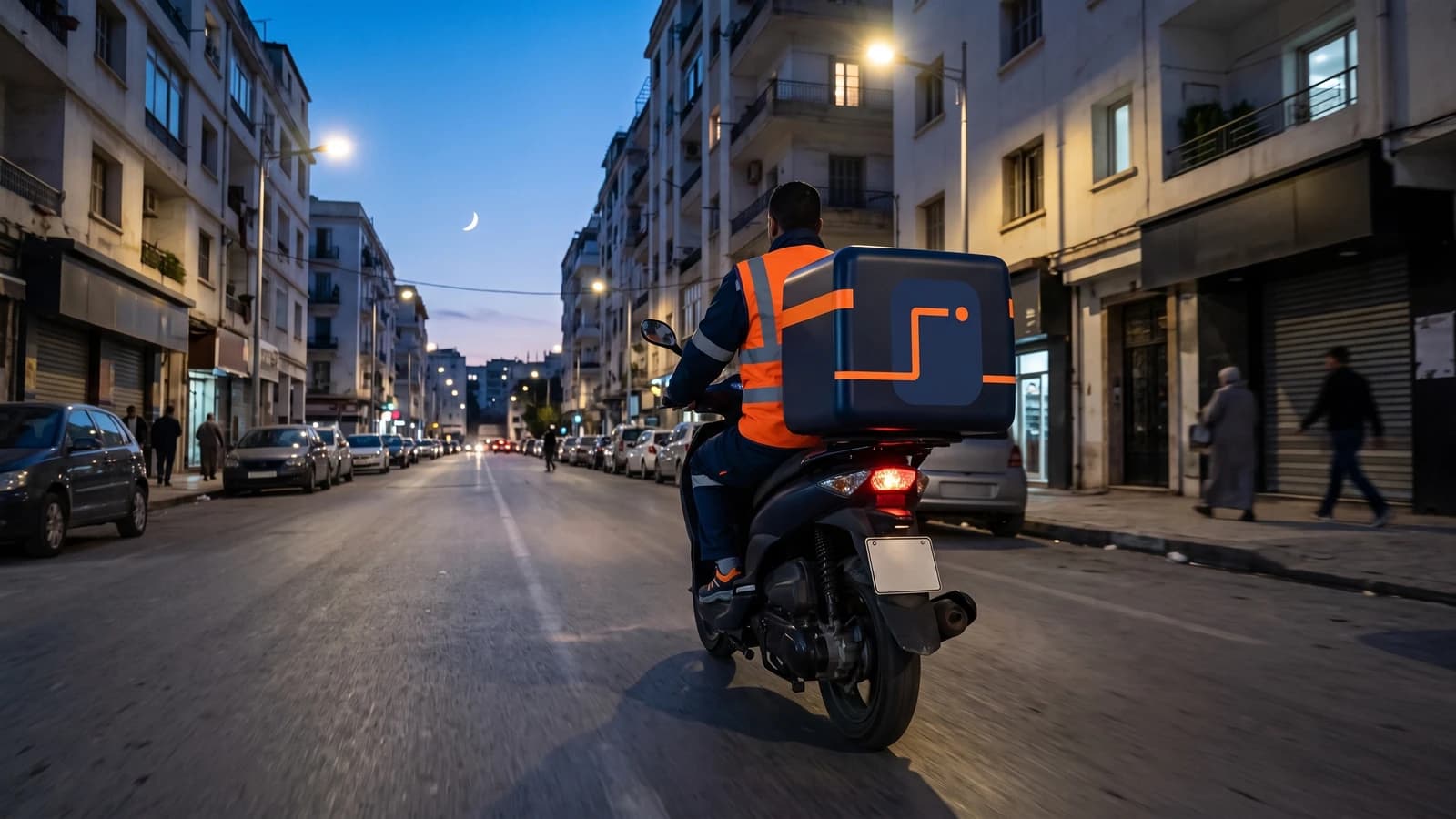
Delivering during Ramadan: hours, iftar and time slots
The holy month moves orders to the evening and shortens the delivery day. Here is how to organise your shipments so customers get their parcels on time, without your couriers racing the clock before iftar.
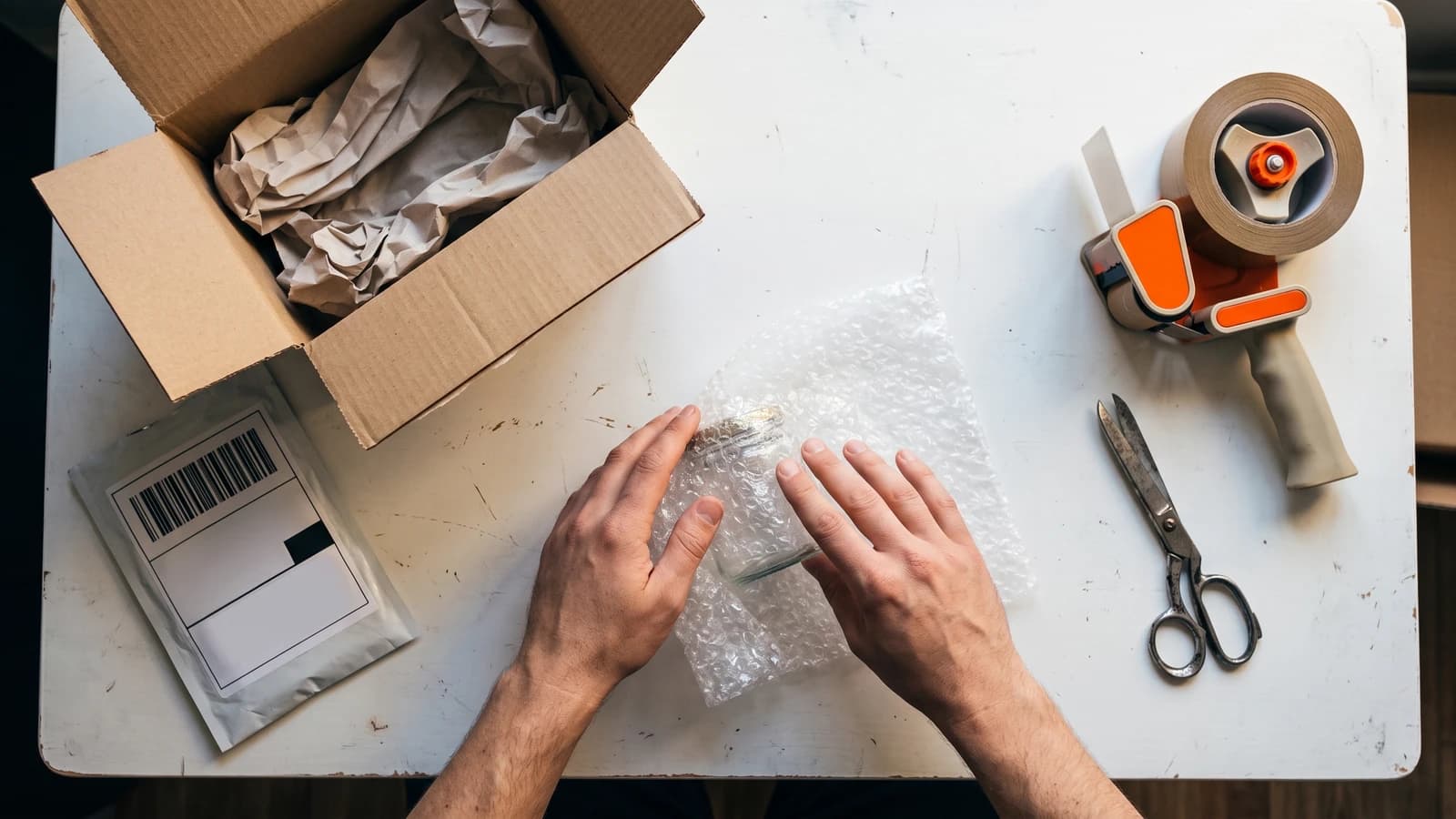
Packing a parcel that arrives whole
Between your table and your customer’s door, a parcel is lifted, set down, sorted, stacked and shaken about ten times. Here is how to pack it so it arrives the way it left, without paying more than you need to.