Delivering to the South: lead times, heat and lines via Ouargla
The southern wilayas make up most of the country’s area and a customer base that is often poorly served. Delivering there means promising the right lead times, packing against the heat and understanding how parcels travel down.
Published 19 August 2026
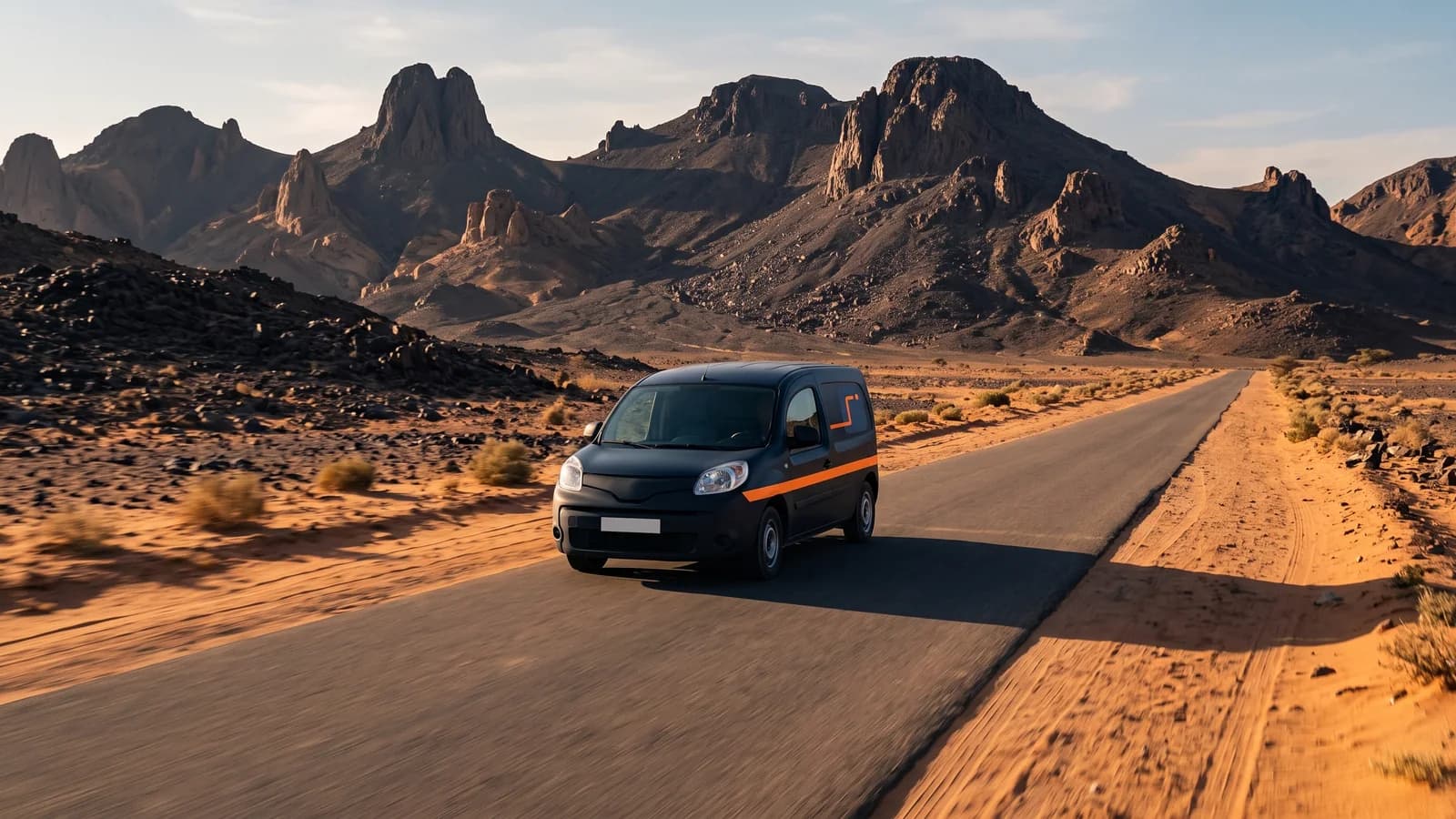
The South, customers who are waiting
From Ghardaïa to Tamanrasset, from Adrar to Djanet, the wilayas of the South and the far South cover most of the country. People there order online as much as anywhere, sometimes more, because shops are fewer and further away. Sellers who deliver there properly build a loyal customer base.
But distance changes everything. A parcel from Algiers to Tamanrasset covers nearly two thousand kilometres of road, much of it off the motorway. Delivering to the South cannot be improvised: it is planned in the lead times you announce, the packing and the way you talk to the customer.
Honest lead times
Where a parcel arrives in 24–48 h in the North, allow 3–4 days to the southern wilayas and 4–6 days to the far South. These run from pick-up, excluding Fridays and public holidays. They are kept, provided you do not promise the North’s.
Show lead times by zone on your page, not one single figure. A customer in Béchar who reads « delivered in 48 h » and gets the parcel on the fifth day feels misled, even though it arrived within the time set for that zone. The same customer, told in advance, is simply satisfied.
- North: 24–48 h.
- High Plateaux: 2–3 days.
- South: 3–4 days.
- Far South: 4–6 days.
Why everything goes through Ouargla
The Ouargla hub is the gateway to the South. Parcels from Algiers come down on a regular line, those from the East on the Constantine line, then leave Ouargla for the southern agencies. A few wilayas of the western Sahara, such as Béchar and Tindouf, are better served from Oran and follow the western axis.
This single gateway is what makes the network reliable: one sorting point for the South, full trucks, departures on fixed days. It is also why southern lead times depend on departure days: a parcel that reaches Ouargla just after a departure waits for the next one.
Packing against the heat
In summer, a truck or van in the Saharan sun quickly reaches temperatures many products cannot take. Wax-based cosmetics, candles, chocolate, some perfumes and batteries suffer. In July and August, avoid shipping these to the far South, or warn the customer.
Otherwise, a light-coloured box reflects heat better than a black mailer, and double packing protects bottles. Southern couriers do not ride scooters between noon and four in summer: deliveries happen in the morning and late in the day, which protects your parcels too.
Sandstorms
Mostly in spring, sandstorms can close a road for several hours, sometimes a whole day. When a warning is issued, the control tower holds the trucks at the hub rather than sending them onto a dangerous road. The expected delivery date moves, and the customer sees it on the tracking page.
These delays are rare but real. A line in your confirmation message, such as « deliveries to the South may take an extra day in a sandstorm », saves many worried calls.
The last mile in the South
Southern communes are spread out, and a neighbourhood is named by a landmark more often than an address: the palm grove, the ksar, the old bus station. Always ask your customer for a precise landmark and a number that answers during the day.
For the communes furthest from the wilaya’s capital, the stop-desk is often the best answer: the customer collects the parcel at the agency on a trip into town, instead of waiting for a run to reach their commune. Offer it every time to the far South.
Returns from the South
A parcel refused in Tamanrasset travels all the way back, through Ouargla, before it reaches you: allow at least as long as the outbound trip. That is why confirmation matters even more for the South than elsewhere. An order checked by phone before dispatch saves a round trip of several thousand kilometres.
Cash collected in the South follows the road too: it is reconciled at the Ouargla hub before being paid out. The time between delivery and payout is therefore a little longer there than in the North. Your statement shows it parcel by parcel.
A price that reflects the road
Rates to the South are higher than to the North, because the road is longer and trucks often come back less full. The rate calculator gives you the exact price for each wilaya, with the lead time: use it to set your delivery charges by zone rather than one flat fee.
Many sellers share the cost with southern customers, for instance by covering part of the charge above a certain order value. It is a good way to win customers your competitors overlook.
Read next
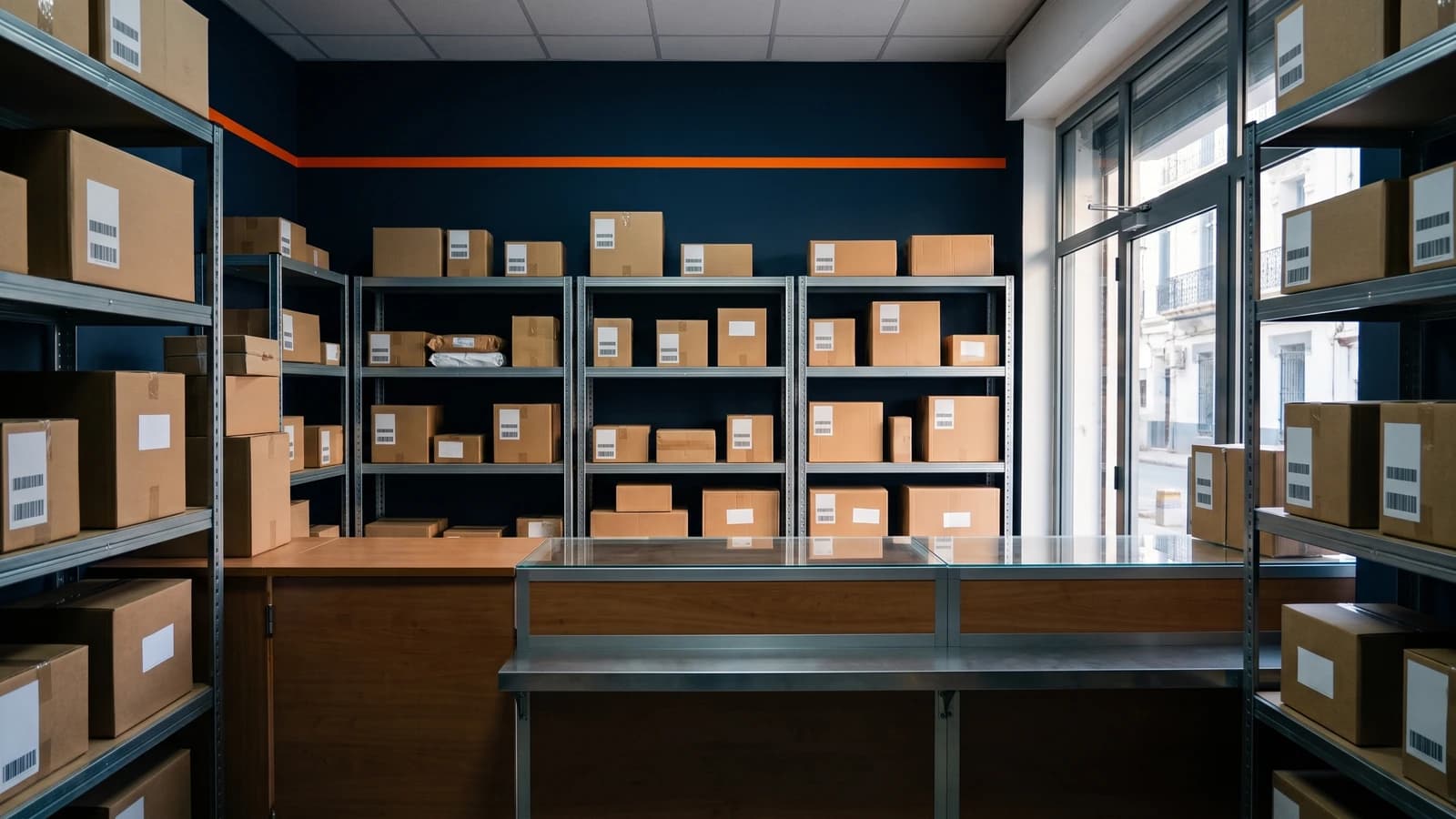
The stop-desk, explained for your customers
Collecting at an agency costs less, fails less often and suits the many customers who are not home during the day. They still need to know how it works: here is what to tell them.
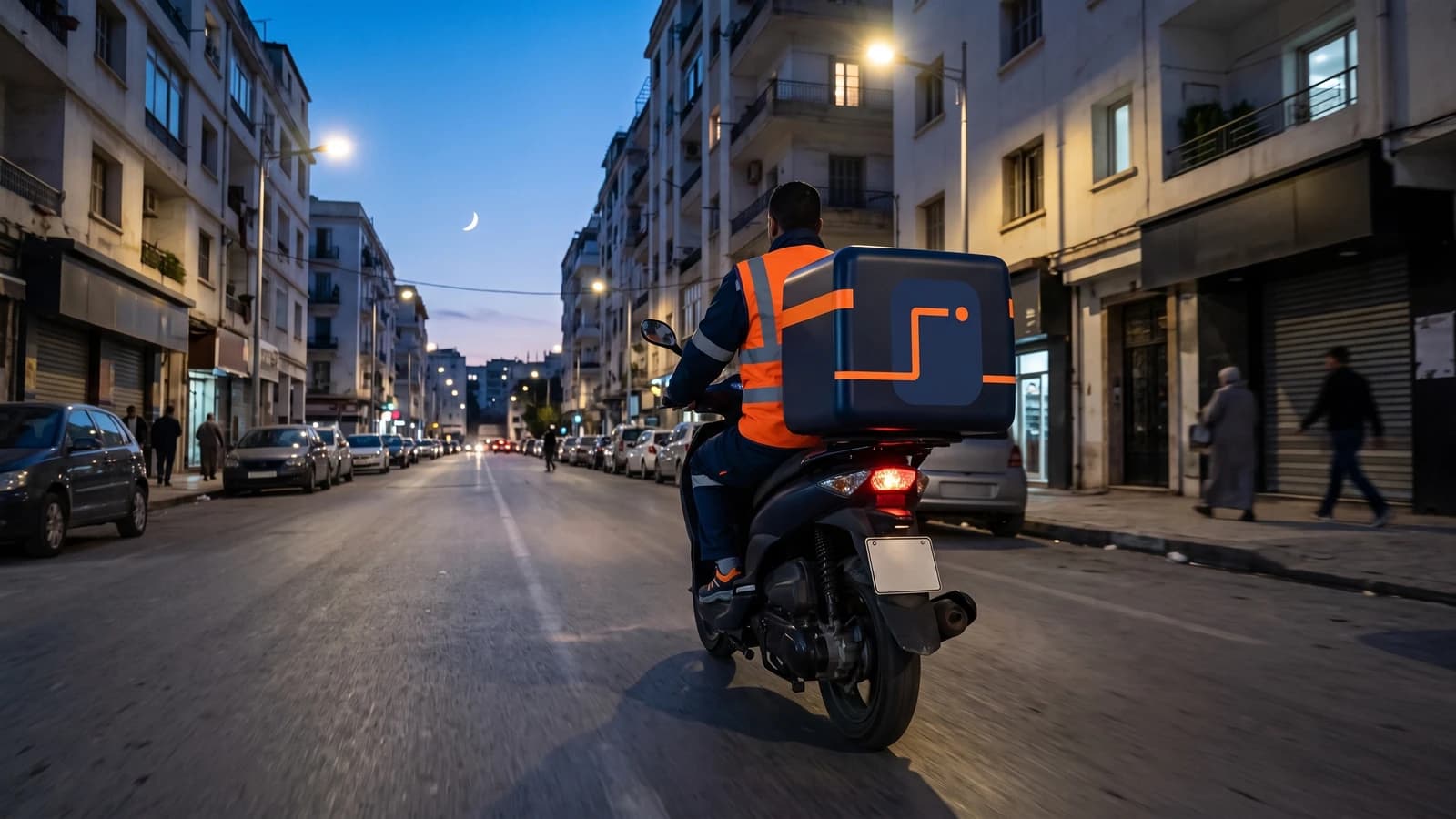
Delivering during Ramadan: hours, iftar and time slots
The holy month moves orders to the evening and shortens the delivery day. Here is how to organise your shipments so customers get their parcels on time, without your couriers racing the clock before iftar.