Illustrative content written for a fictional insurer: the advice is general and replaces neither your policy nor a professional.
The last hour before iftar
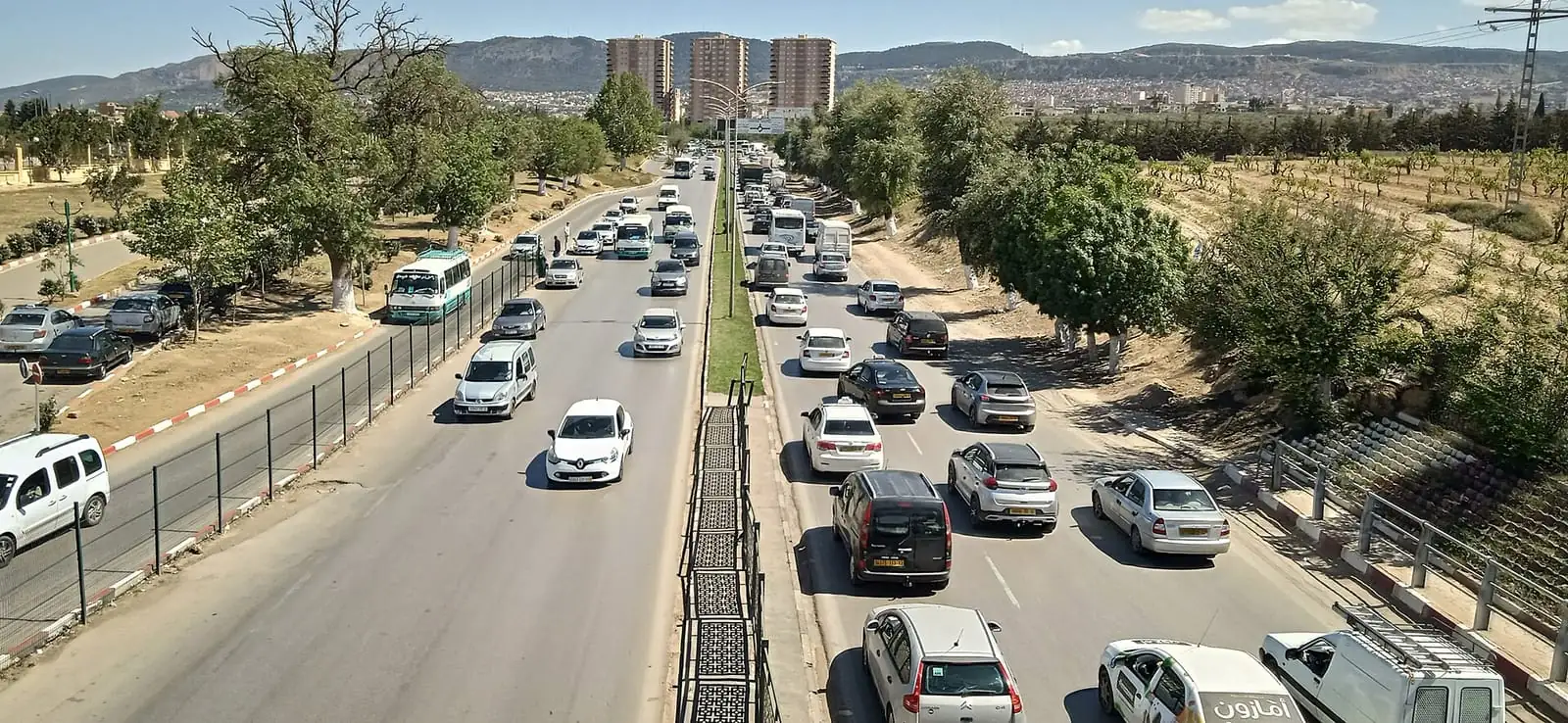
During Ramadan, the hour before the call to the maghrib prayer is the busiest of the day. Everyone wants to be at the table on time, hunger and thirst are at their peak, and attention drops at exactly the moment the traffic thickens.
Fasting lowers alertness and slows your reactions, especially late in the afternoon. It is not a matter of willpower; the body simply slows down. The only real answer is not to put yourself in a position where you have to hurry.
- Leave earlier rather than drive faster: a few minutes in hand beat a risky overtake.
- Keep a date and a small bottle of water in the car so you can break your fast if you are still on the road.
- If you are running late, call the family before you set off, never while driving.
- Watch for pedestrians in a hurry and children crossing near markets and bakeries.
Breaking your fast parked on the hard shoulder is better than arriving on time at the cost of an accident.
Driving home late after tarawih
After the meal and the prayer, many people take the car out again late at night for family visits, shopping or an evening out. A heavy meal, darkness and a day that began before dawn add up to drowsiness at the wheel.
- Switch your lights on as soon as it gets dark and check that they all work, brake lights included.
- Slow down on poorly lit roads and near mosques, where crowds of worshippers leave at the same time.
- At the first signs of tiredness, such as yawning, heavy eyelids or drifting in your lane, stop somewhere safe.
Before a long summer trip: check the car
Reaching the coast from the High Plateaus or heading down to the south often means several hours of driving in fierce heat. A car checked the day before, with the engine cold, avoids most of the breakdowns that ruin a departure.
- Tyres, the spare included: wear, cuts, and pressure checked cold, raised to the manufacturer’s figure for a loaded car.
- Fluid levels: engine oil, coolant, brake fluid and screenwash.
- The air conditioning and the drive belt, both worked hard by the heat.
- Papers: driving licence, registration document and a valid insurance certificate.
- The high-visibility vest and warning triangle, within reach rather than under the luggage.
An under-inflated tyre runs hotter on a scorching road, so it is the first thing to check before you leave.
On the road: heat, breaks and the phone
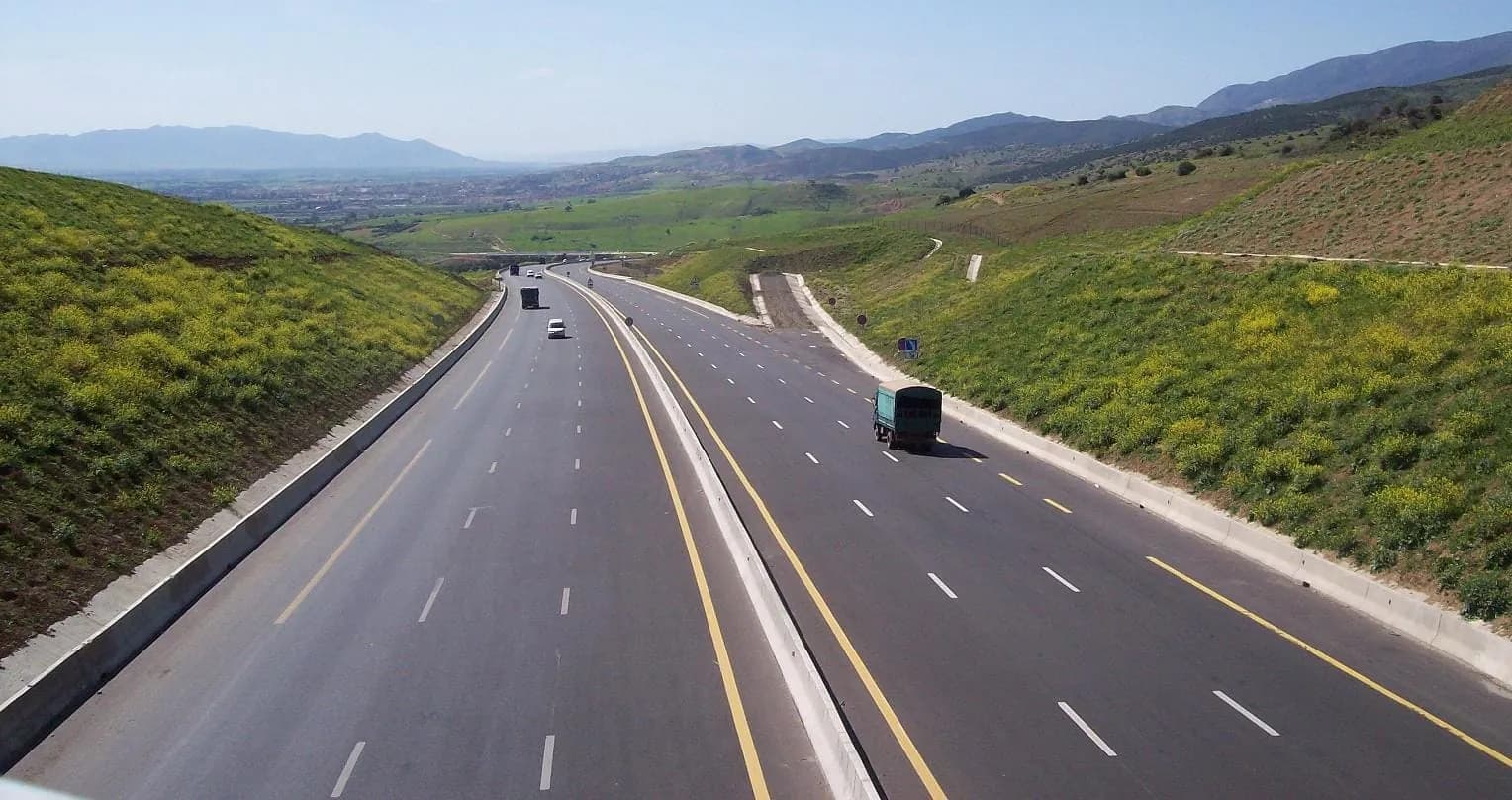
Fatigue is the main enemy on a long drive. It creeps in without warning, and faster when it is hot and the road is straight and monotonous, as on long stretches of the motorway and the roads of the south.
- Stop roughly every two hours: walk for a few minutes, have a drink, let the children stretch.
- Avoid driving through the hottest part of the day when you can; an early-morning start is easier on everyone.
- Drink water regularly, and never leave a child or an animal alone in a car parked in the sun, not even for a moment.
- Put the phone away: holding it while driving is prohibited, and reading a message on the move means several seconds without watching the road.
- Keep a safe distance, and a longer one with a loaded car, which takes more room to stop.
In the car: seatbelts, children and the load
On holiday we travel in numbers and with plenty of luggage. In a collision, every passenger and every loose object then becomes a danger to everyone else.
- Every seat belt is fastened, front and back, even for a short hop around town.
- Children ride in the back, in a seat suited to their height and weight, properly fitted.
- A car carries no more passengers than it has seats with belts.
- Heavy bags go in the boot, as far forward as they will go; nothing should sit loose on the parcel shelf.
- An overloaded roof box or trailer changes how the car brakes and handles, so stay within the permitted load.
If the luggage will not fit, it is the luggage that has to give, never the passengers’ safety.
What your car policy does on a long trip
In Algeria, third-party liability insurance is compulsory for every vehicle on the road. It pays for the harm you cause to others, not for damage to your own car. Everything else depends on the cover you chose.
- Assistance, where it is included, arranges roadside repair or towing after a breakdown or an accident, and sometimes the rest of the journey.
- Some policies only send assistance beyond a minimum distance from home, so check that threshold before you leave.
- Glass, theft and damage to your own vehicle are covered only if your formula includes them.
- Keep your policy schedule and insurance certificate in the car, or to hand on your phone.
At Hima, your customer area shows the guarantees on your policy at a glance. If you have any doubt before a trip, it is better to check the night before than to discover an exclusion on the side of the road.