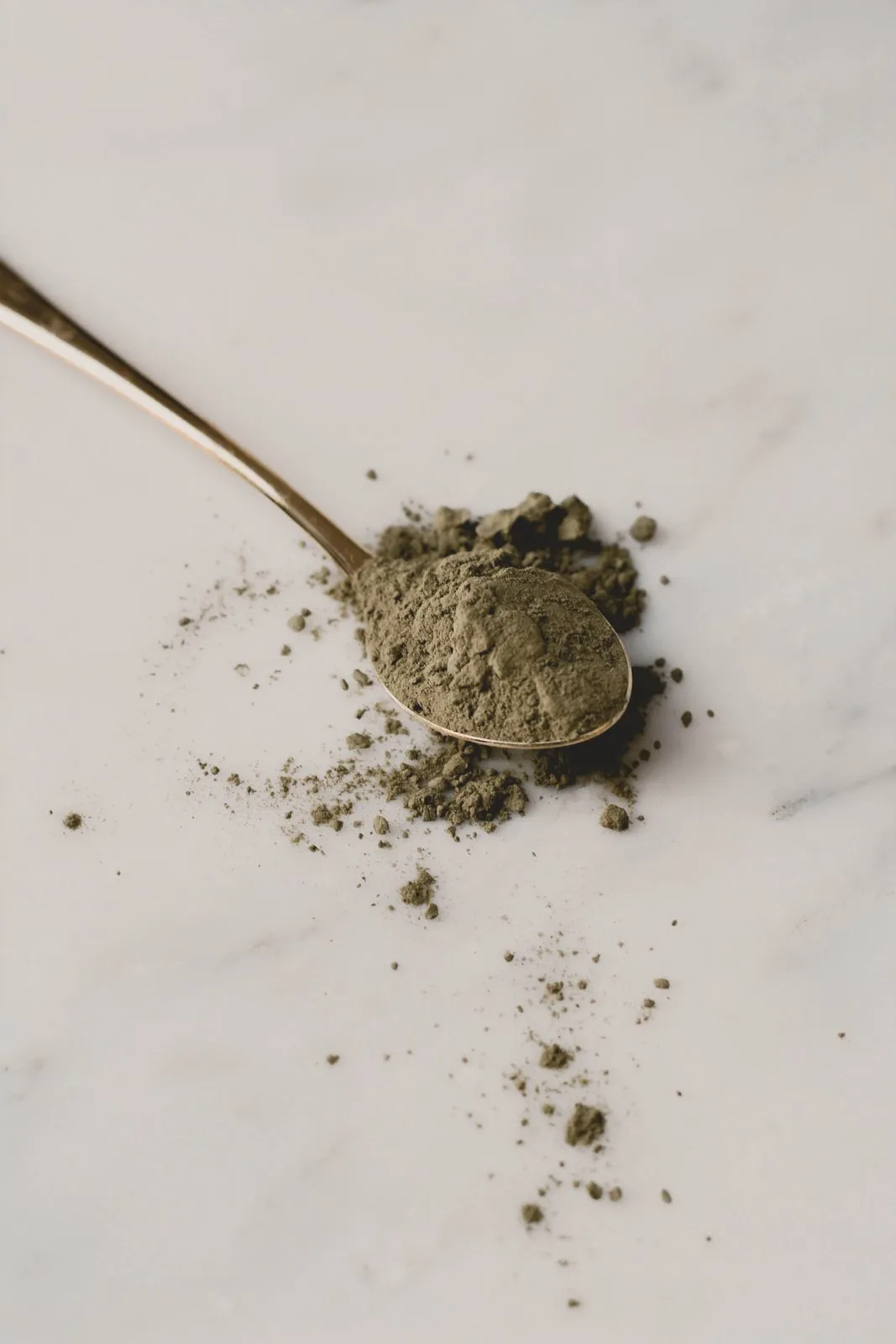
Henna is part of almost every client’s memories: the green paste, the earthy smell, the copper glints in the sun. It is also an excellent treatment, coating the fibre and giving body to fine hair. But it has to be chosen well.
Choosing pure henna
Natural henna contains a single plant, Lawsonia inermis, and gives a single family of colour, from copper to auburn. Be wary of powders promising black or brown in one go: they often contain other dyes, some of which cause severe allergic reactions.
To prepare it, mix the powder with warm water and a squeeze of lemon into a soft paste, then leave it for two hours. Apply to clean hair, section by section, and leave for one to three hours depending on the depth you want.
The result depends a great deal on your starting colour. On brown hair, henna gives red glints that show mostly in daylight; on white hair it can look very orange the first time and deepens with each application. It also oxidises for two or three days after rinsing, so do not judge the colour that same evening. For a softer result it can be mixed with cassia powder, which conditions without colouring.
Henna and hair colour
Pure henna and permanent colour can live together, but not just anyhow. Always tell your stylist: recently applied henna changes how a colour or lightener turns out. We test a strand before committing.
Finally, one precaution applies to henna as to any colour: a patch test 48 hours before, behind the ear or in the crook of the elbow. If redness or itching appears, we stop and you ask a doctor’s advice. It is a simple rule, and we never bend it.